Vincent van Gogh authentication evidence image 1: Vincent signature paintingVincent van Gogh authentication evidence image 2: Vincent signature paintingVincent van Gogh authentication evidence image 3: Vincent signature paintingVincent van Gogh authentication evidence image 4: Vincent signature paintingVincent van Gogh authentication evidence image 5: Vincent signature paintingVincent van Gogh authentication evidence image 6: Vincent signature paintingVincent van Gogh authentication evidence image 7: Vincent signature paintingVincent van Gogh authentication evidence image 8: Vincent signature painting
Report structure
Section summaries
01
List of documents
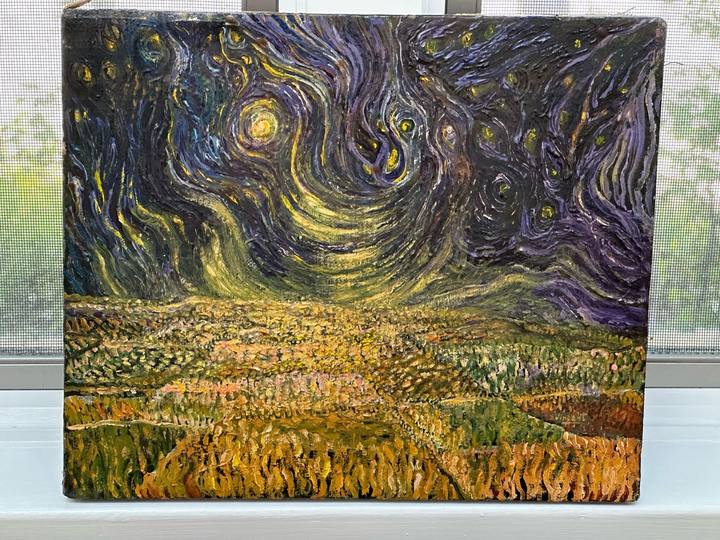
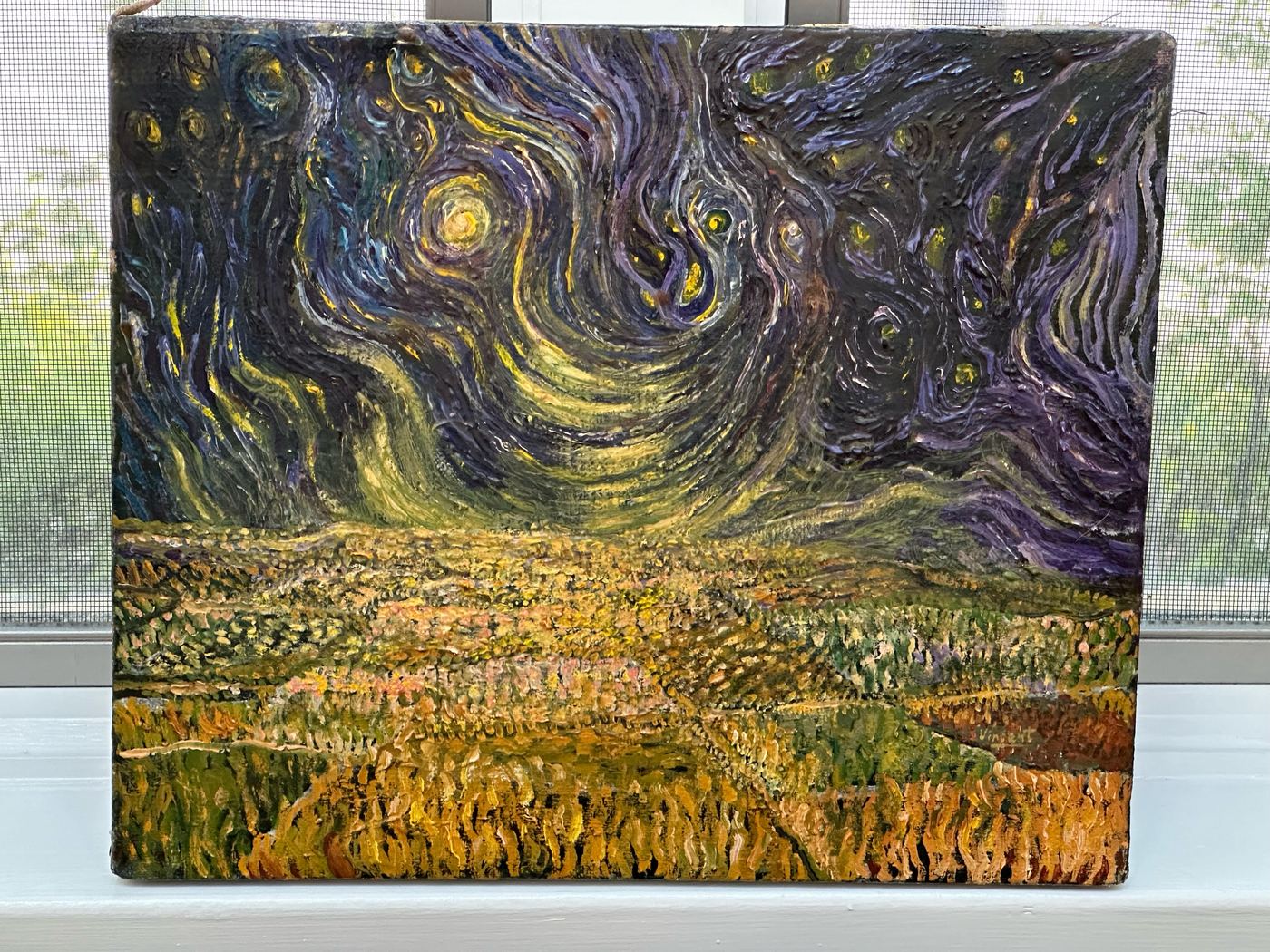
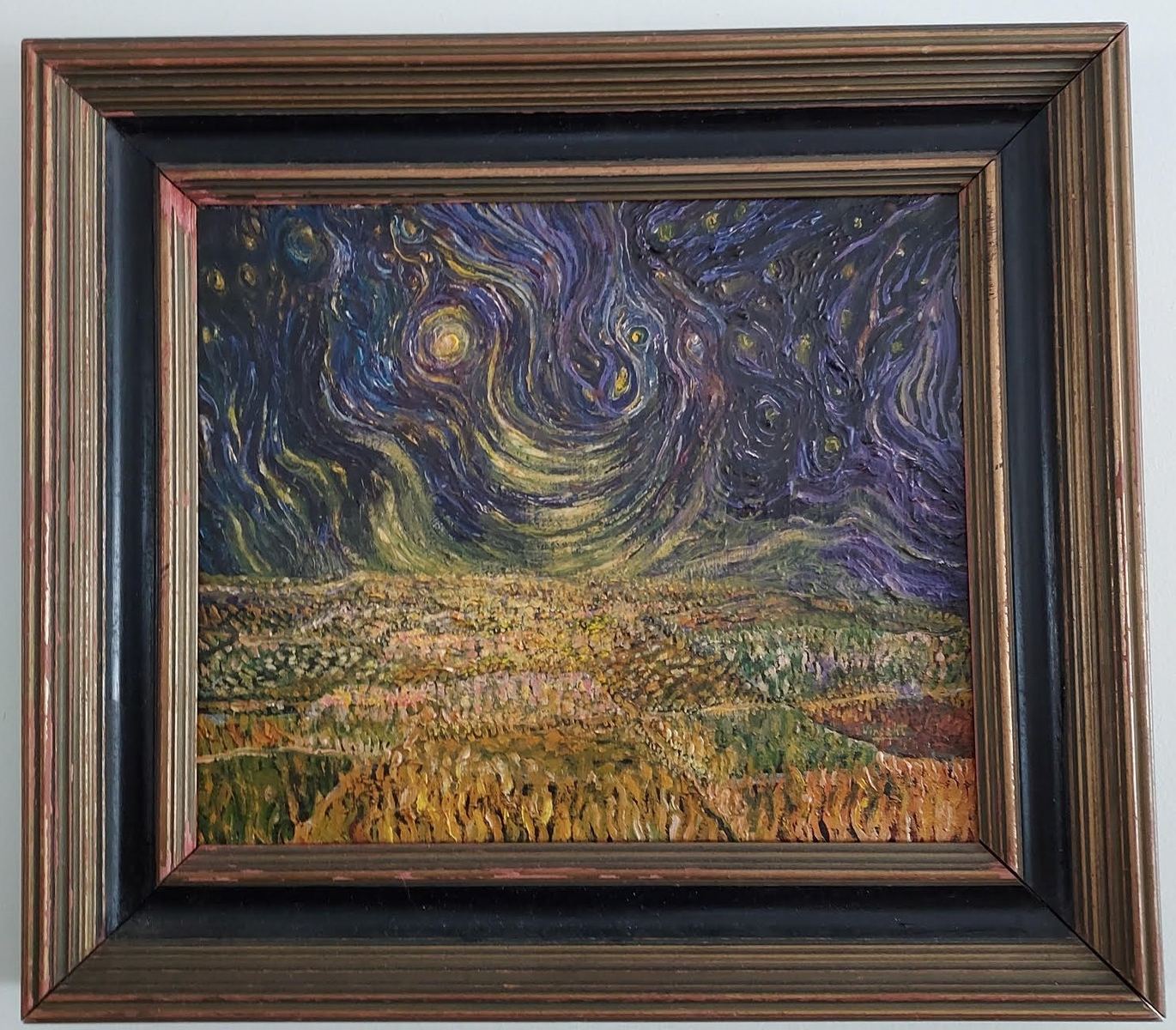
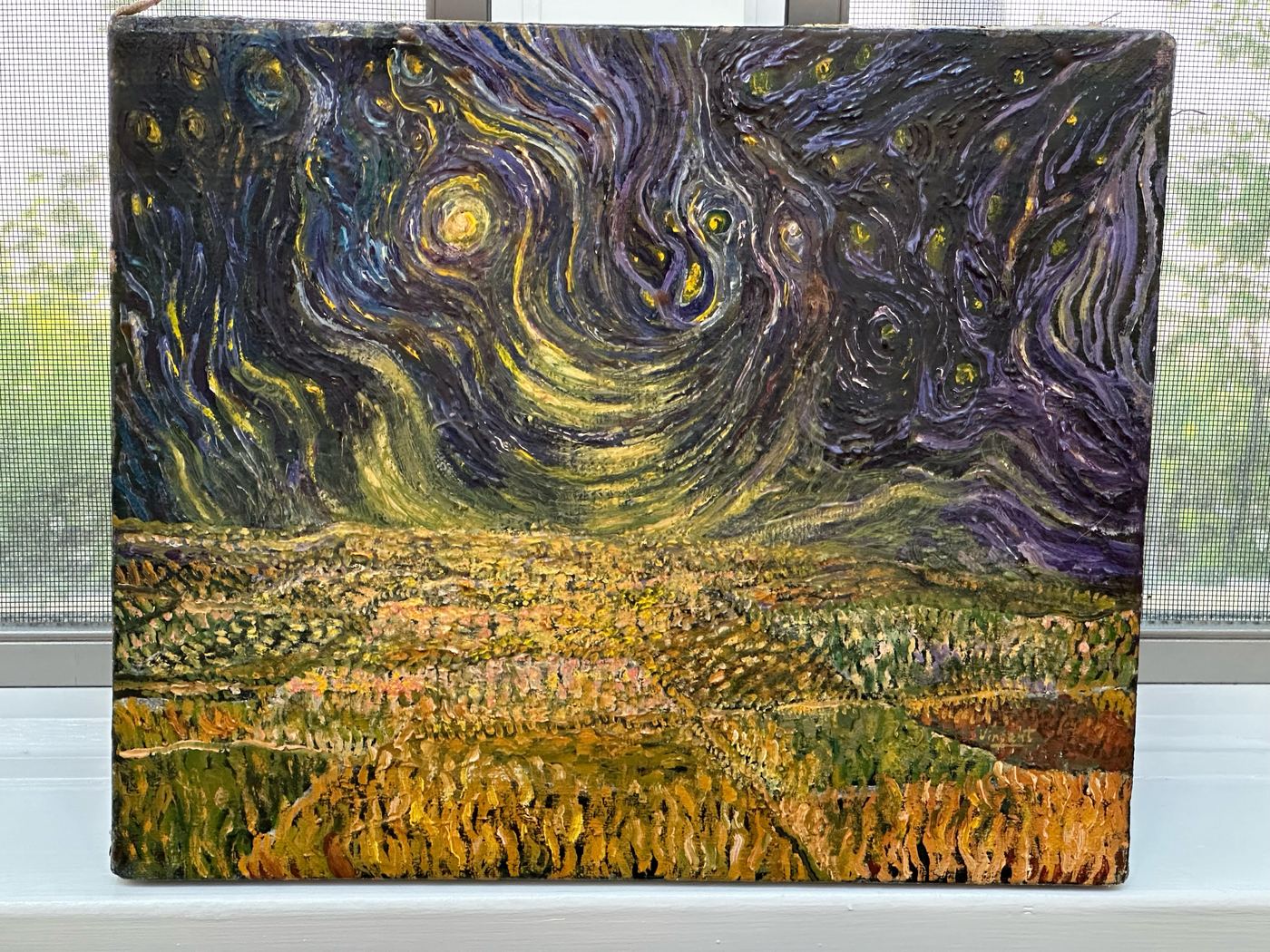
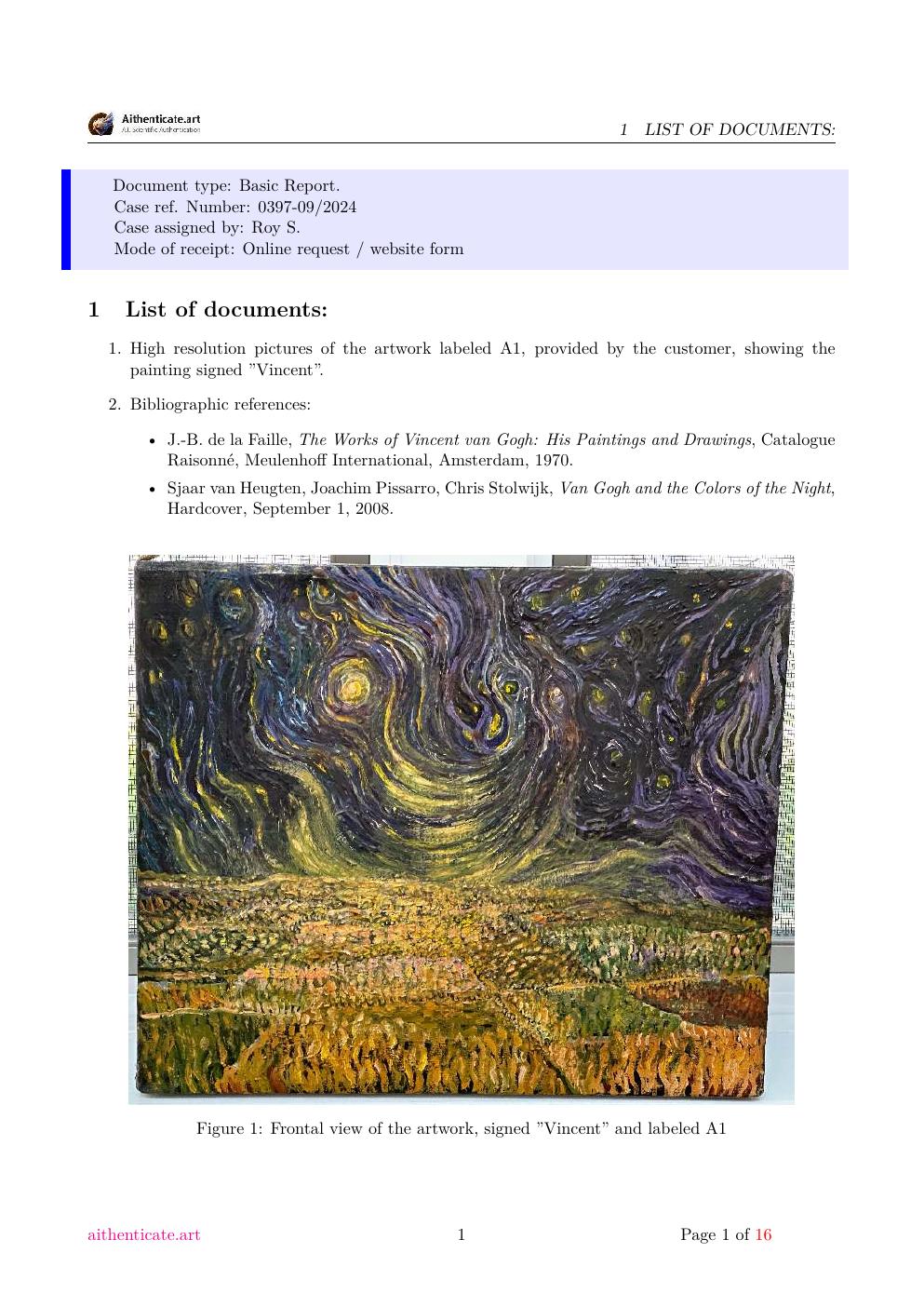
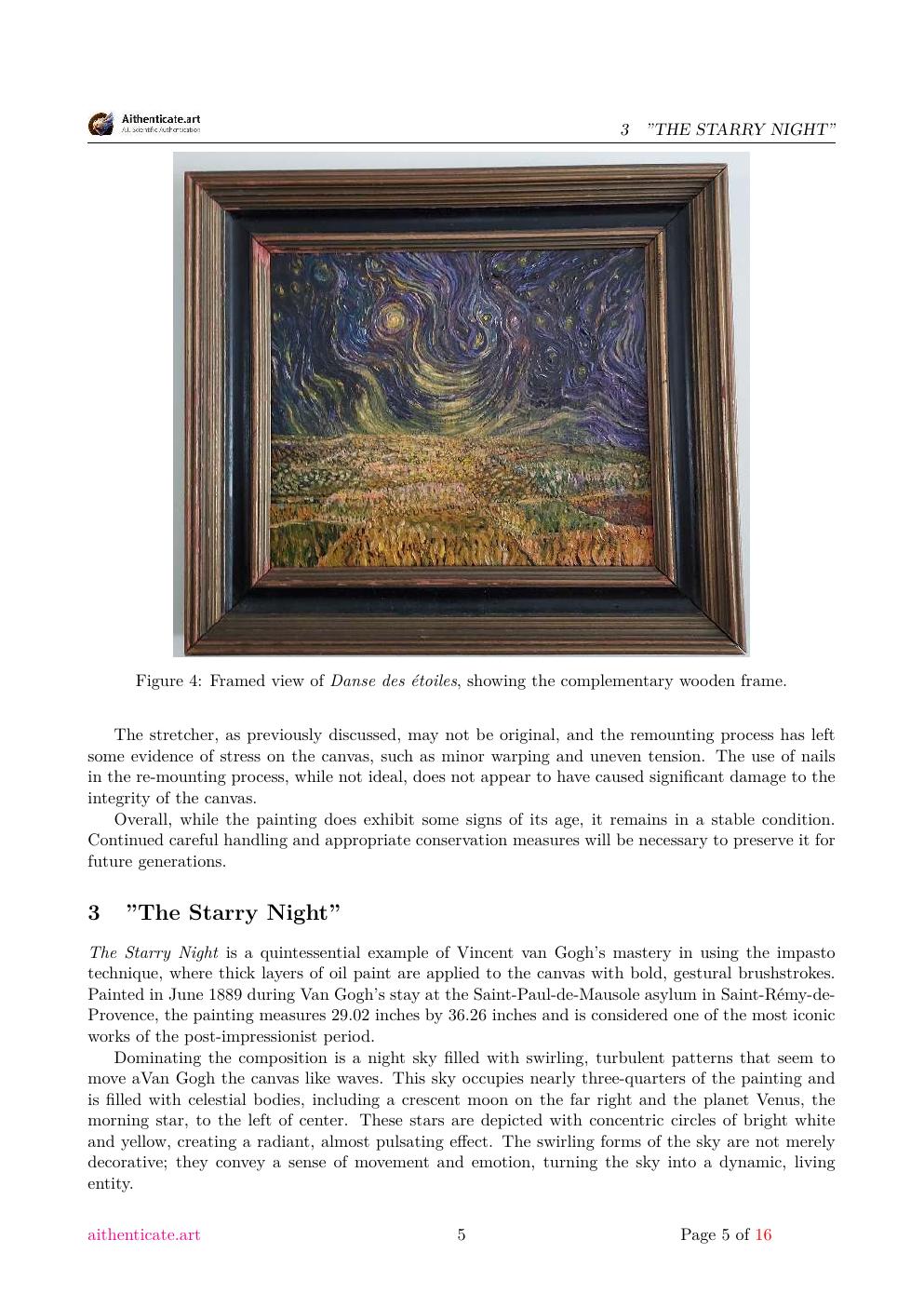
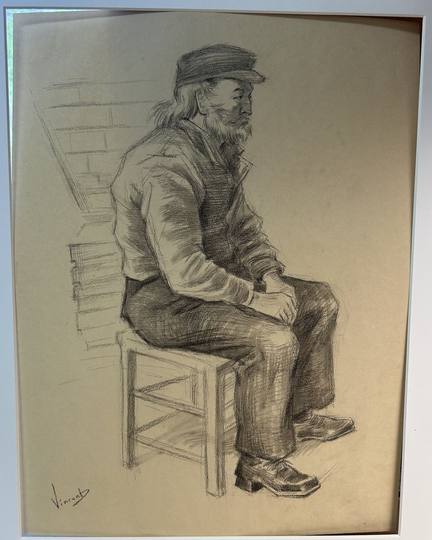
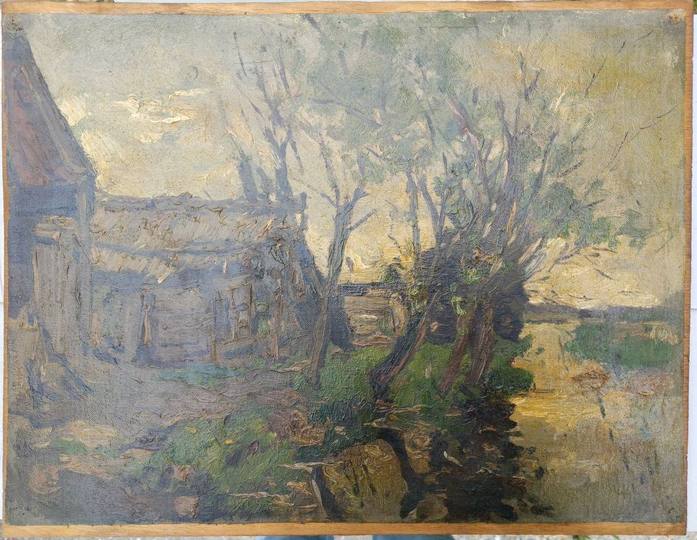
High resolution pictures of the artwork labeled A1, provided by the customer, showing the painting signed "Vincent". Bibliographic references: J.-B. de la Faille, The Works of Vincent van Gogh: His Paintings and Drawings , Catalogue Raisonné, Meulenhoff International, Amsterdam, 1970. Sjaar van Heugten, Joachim Pissarro, Chris Stolwijk, Van Gogh and the Colors of the Night , Hardcover, September 1, 2008. Frontal view of the artwork, signed "Vincent" and labeled A1
02
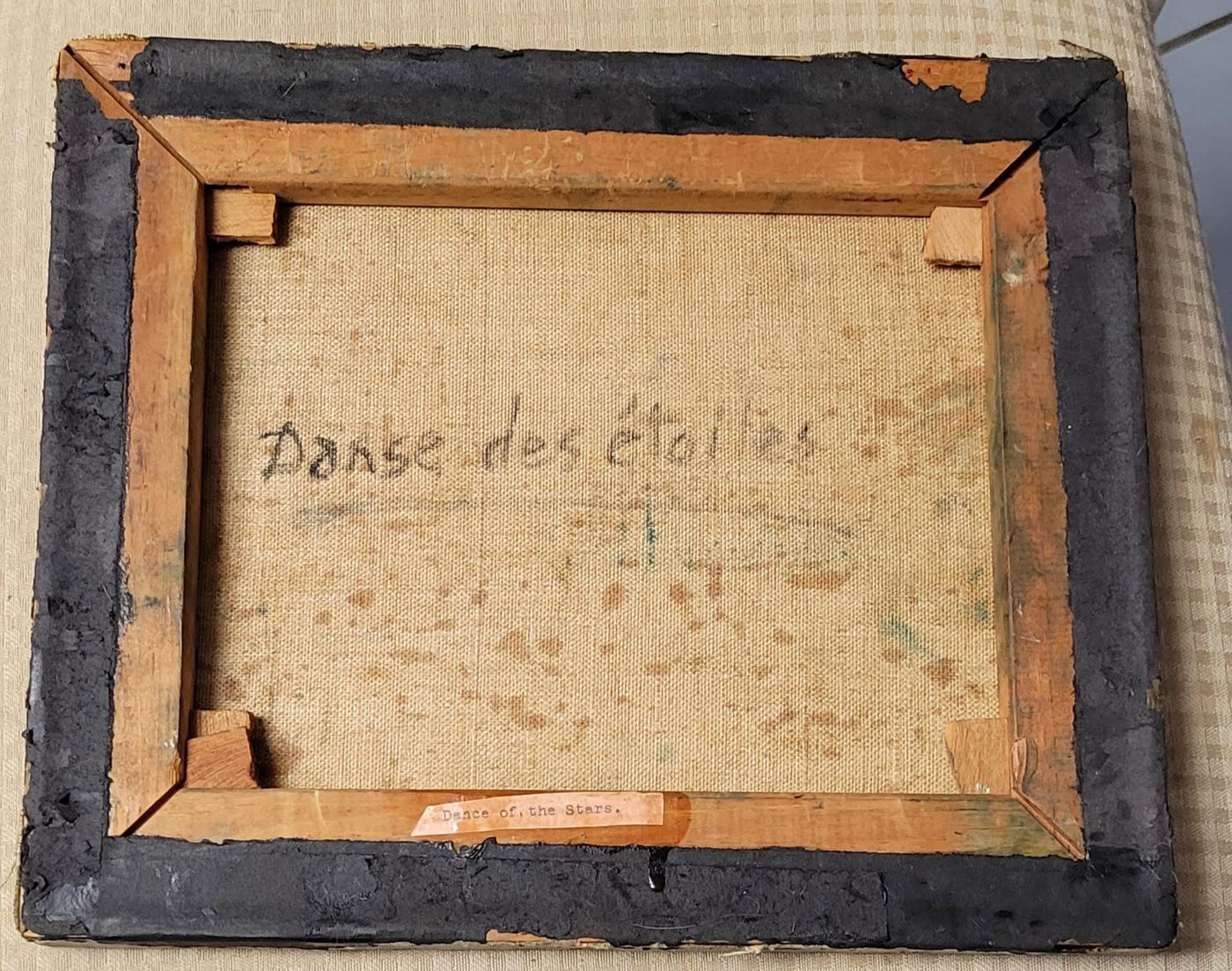
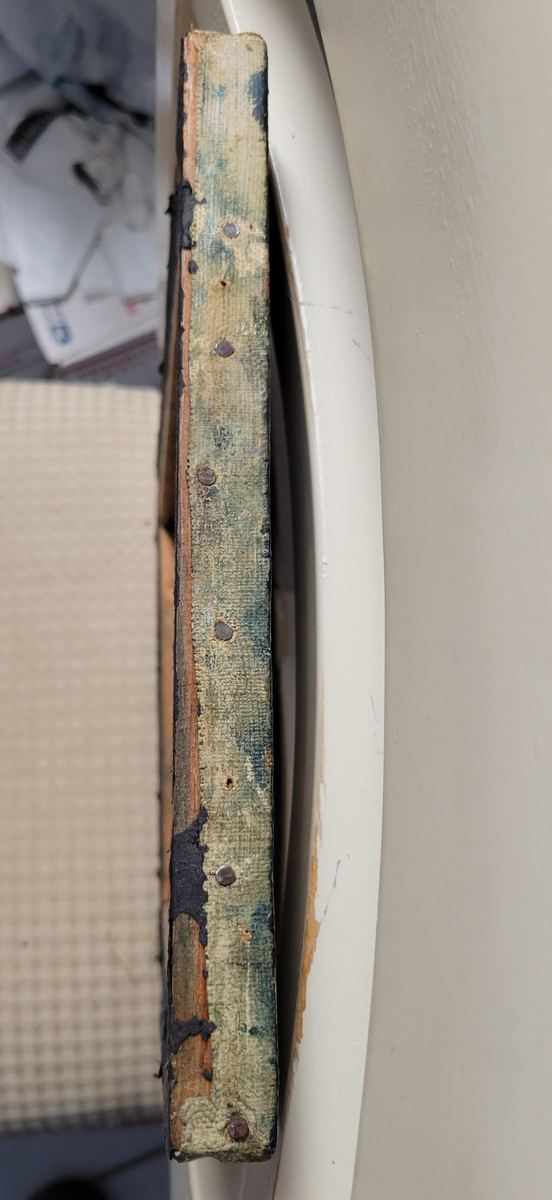
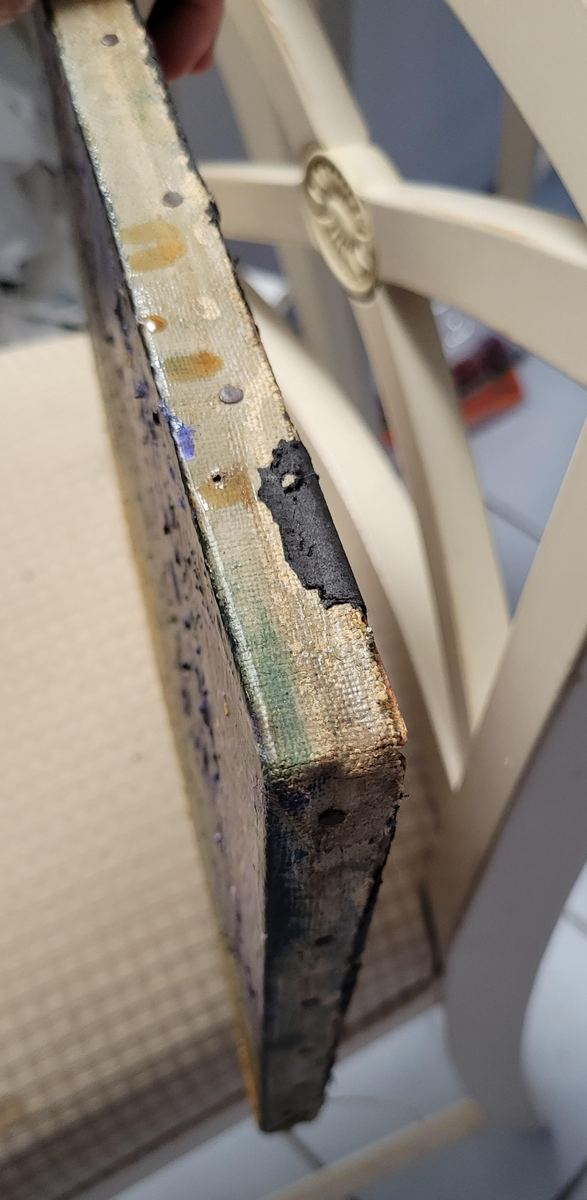
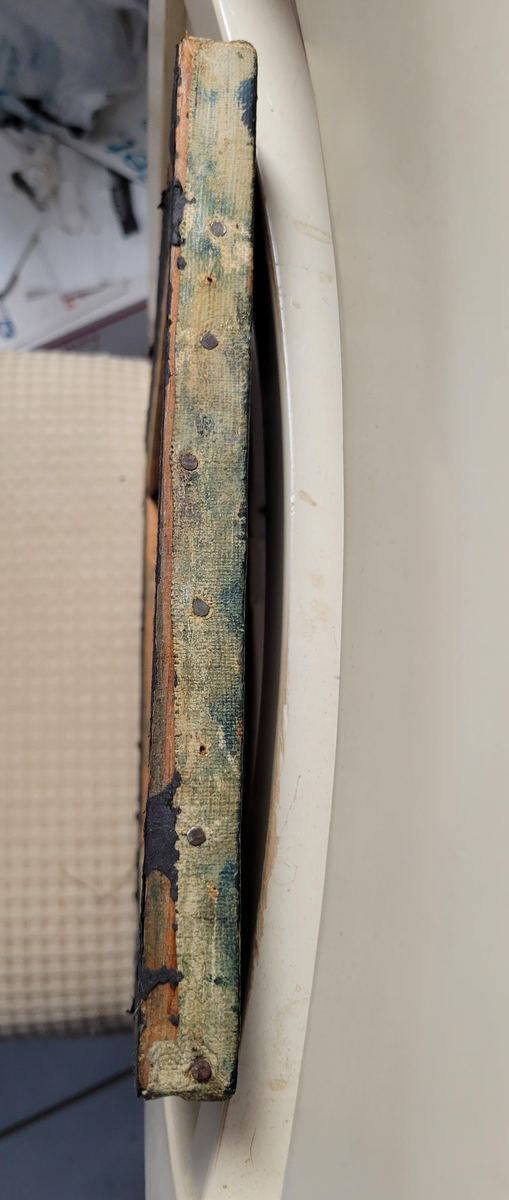
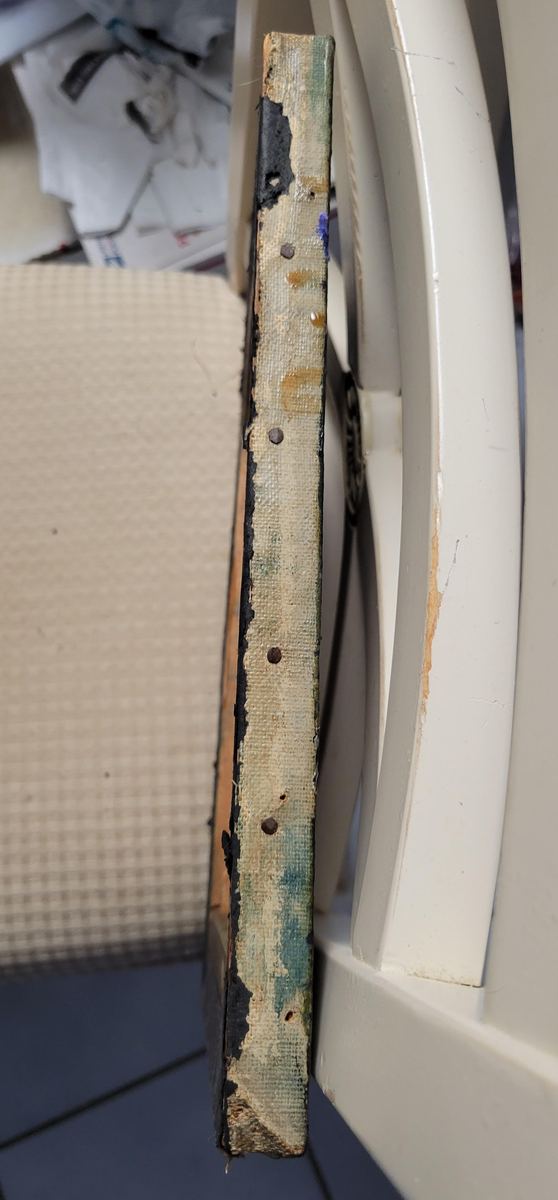
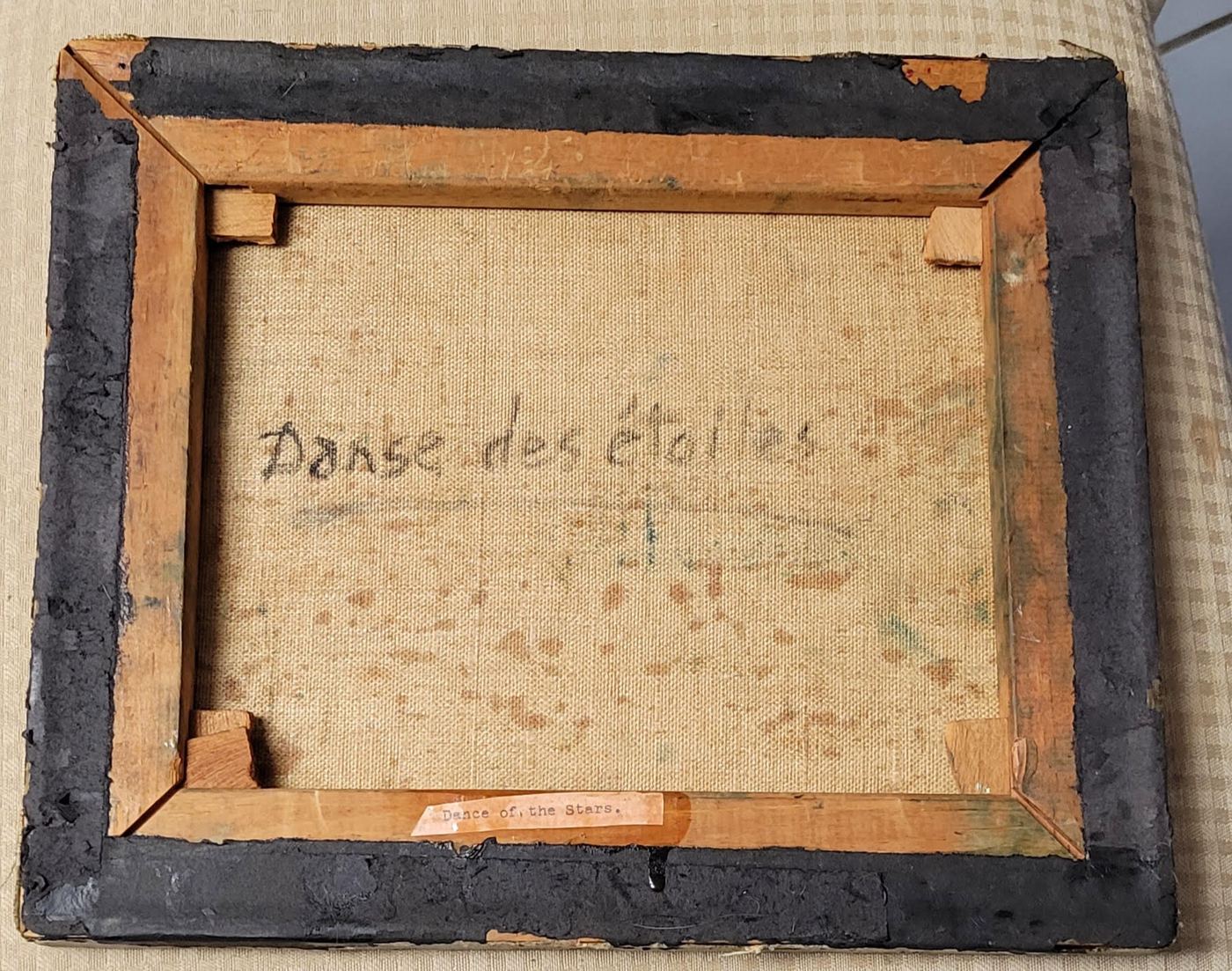
Back Side and Construction
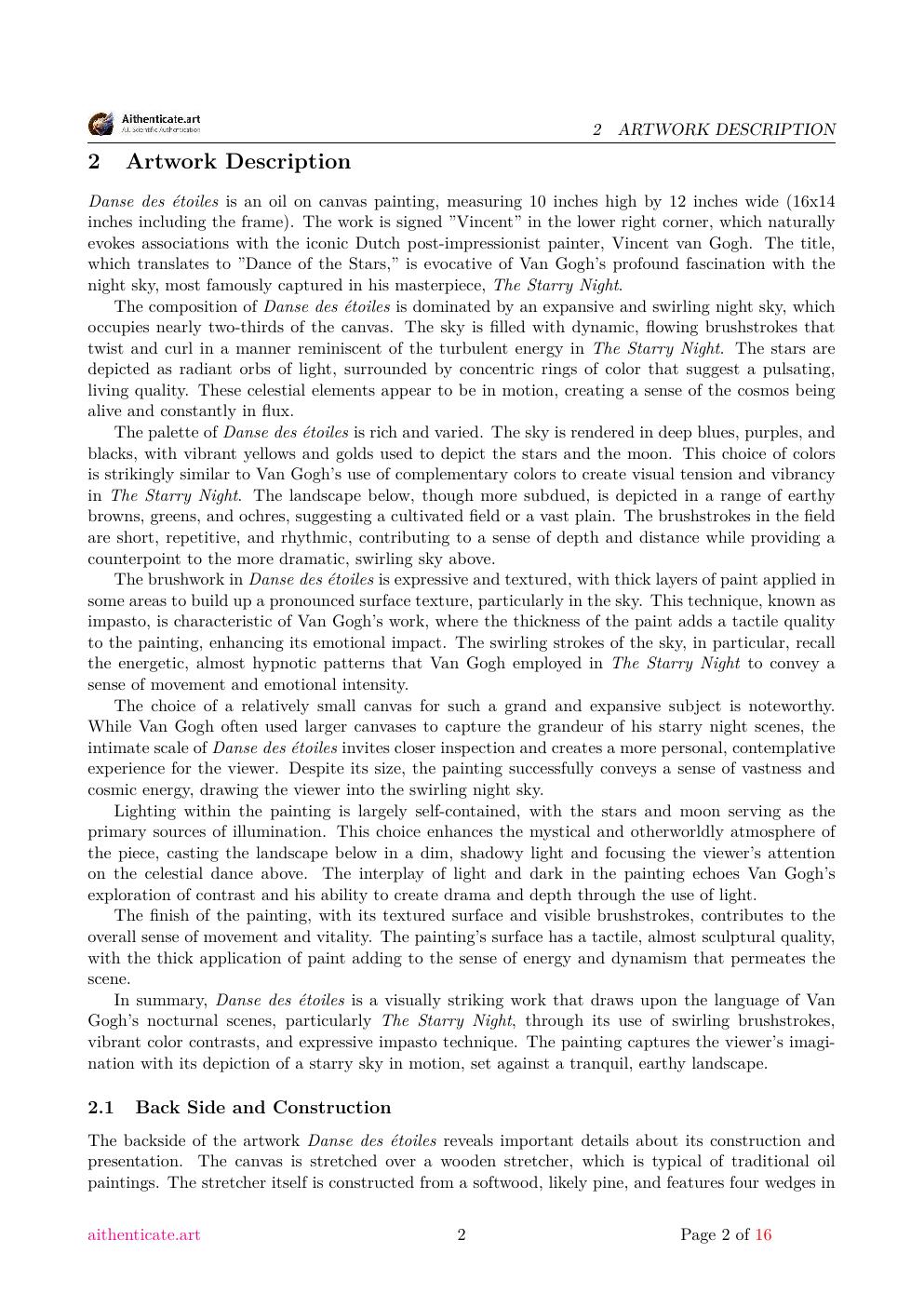
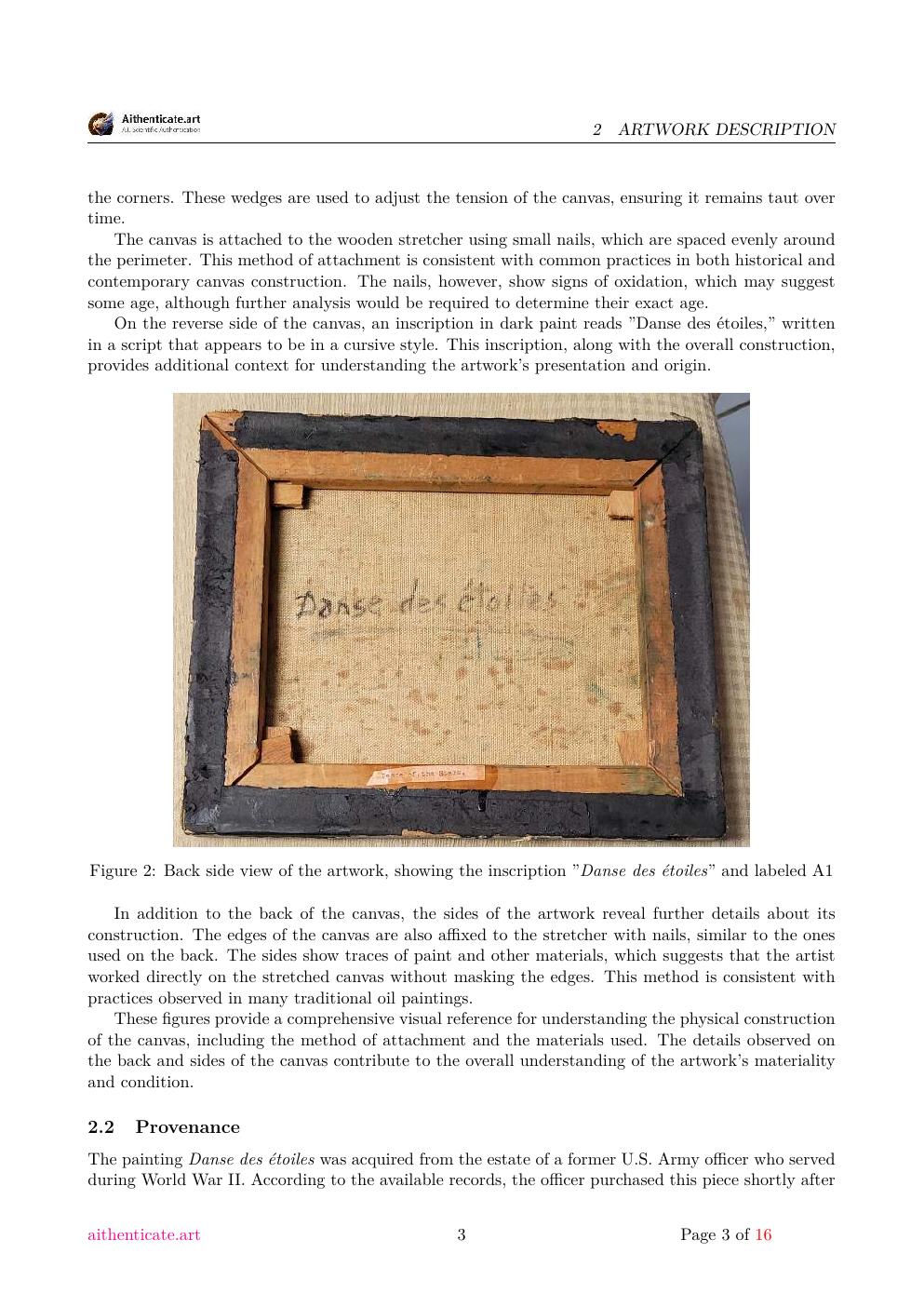
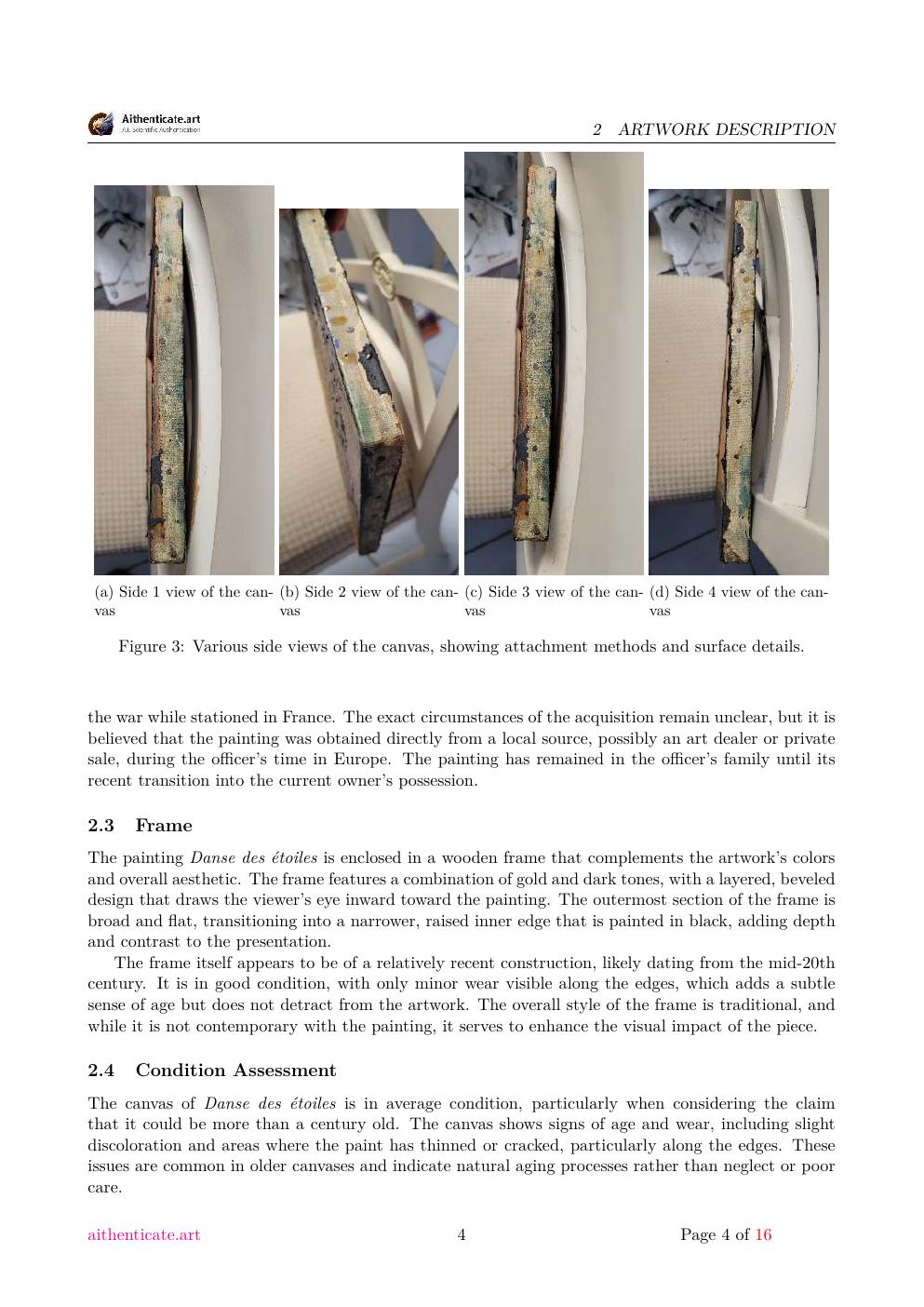
The backside of the artwork Danse des étoiles reveals important details about its construction and presentation. The canvas is stretched over a wooden stretcher, which is typical of traditional oil paintings. The stretcher itself is constructed from a softwood, likely pine, and features four wedges in the corners.
03
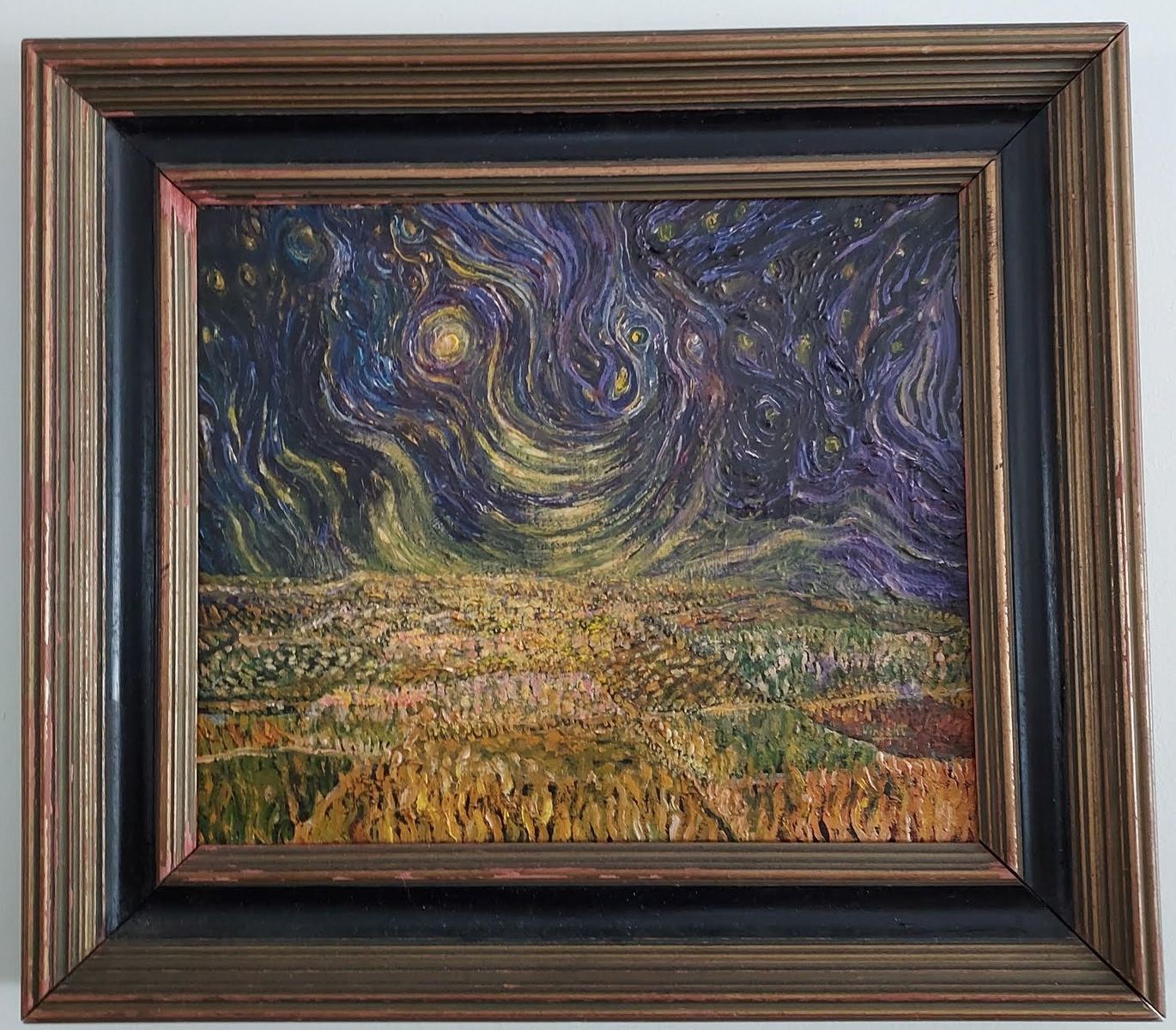
Frame
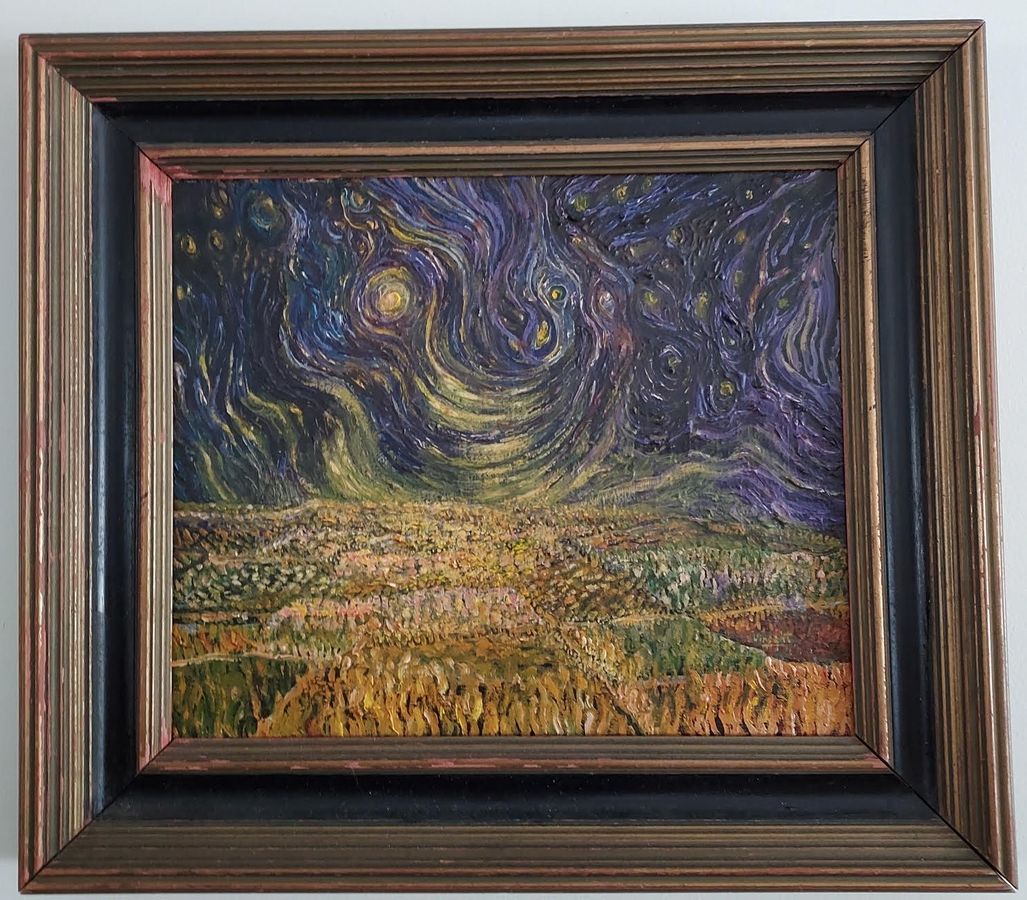
The painting Danse des étoiles is enclosed in a wooden frame that complements the artwork's colors and overall aesthetic. The frame features a combination of gold and dark tones, with a layered, beveled design that draws the viewer's eye inward toward the painting. The outermost section of the frame is broad and flat, transitioning into a narrower, raised inner edge that is painted in black, adding depth and contrast to the presentation.
04
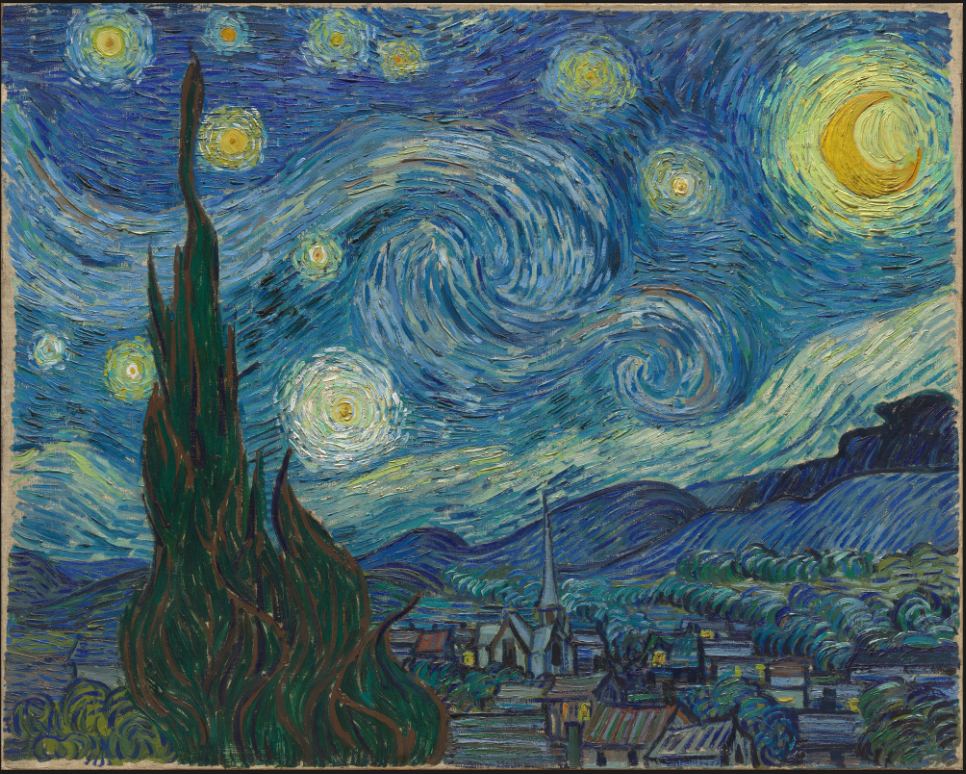
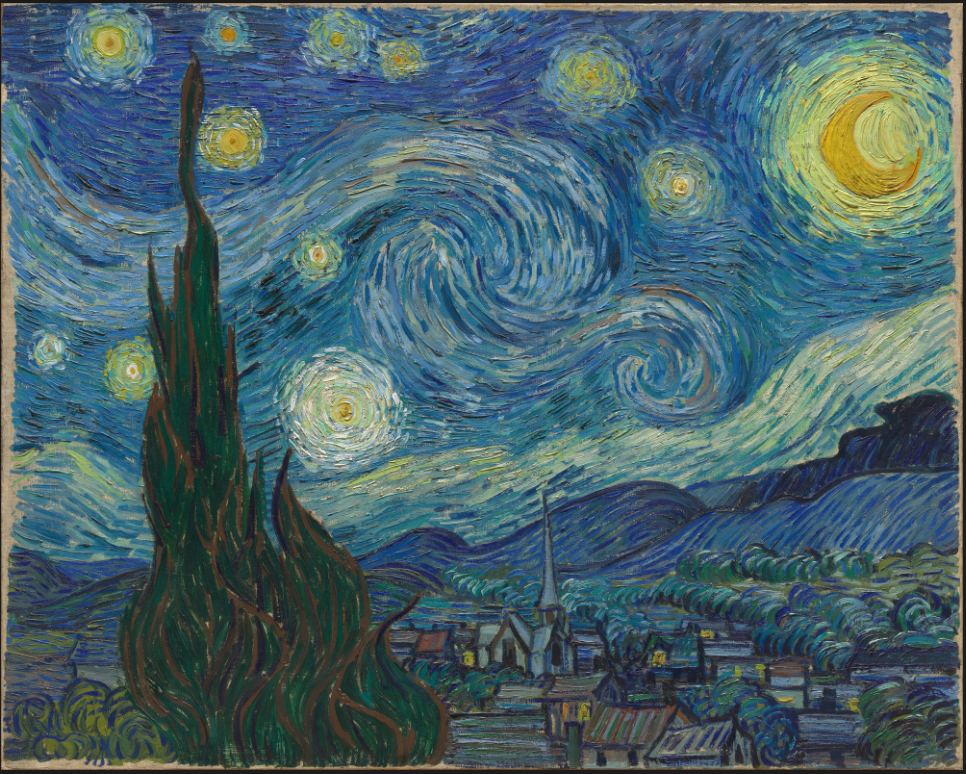
"The Starry Night"
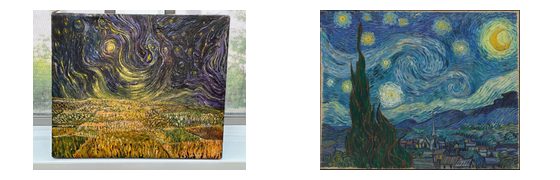
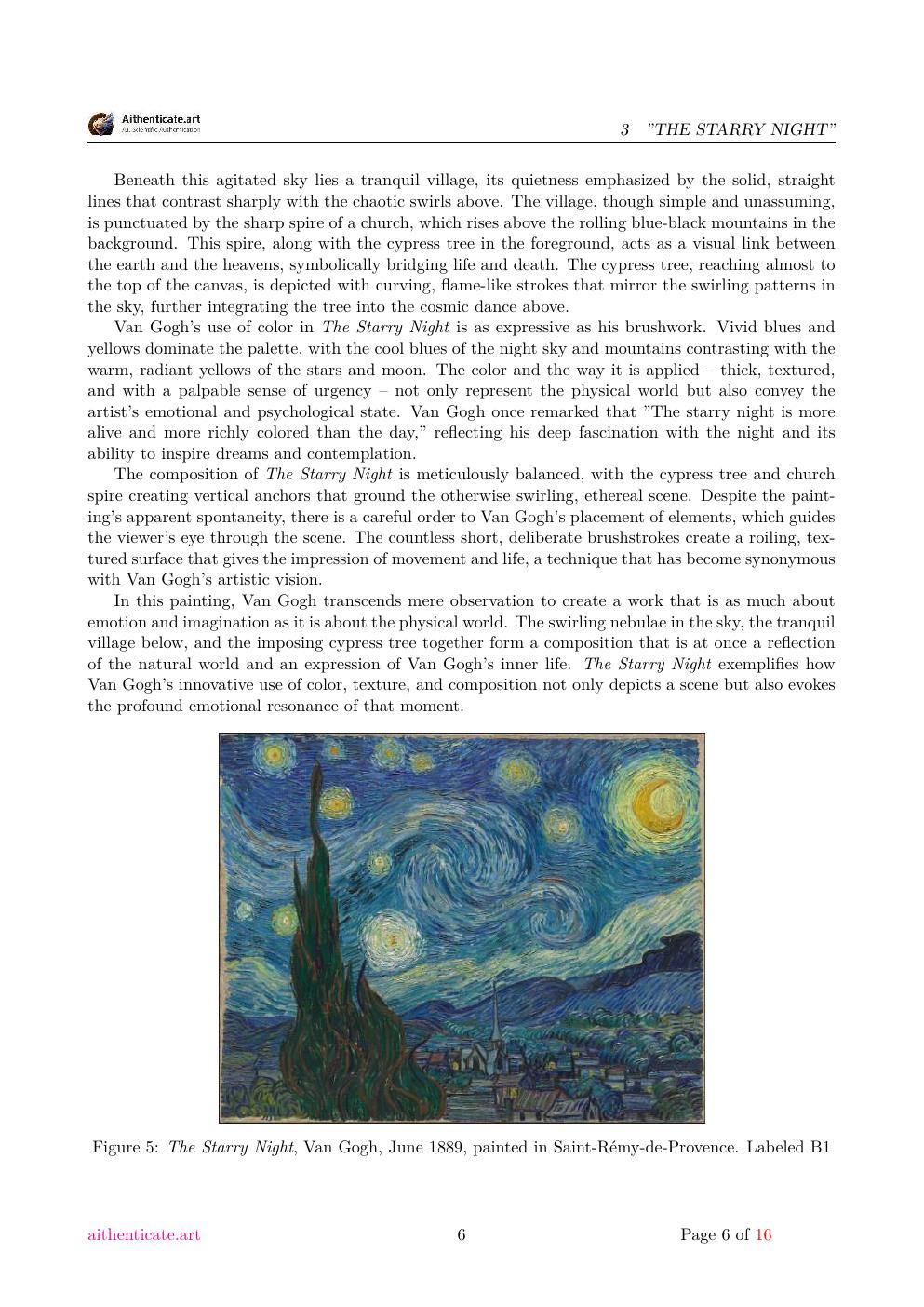
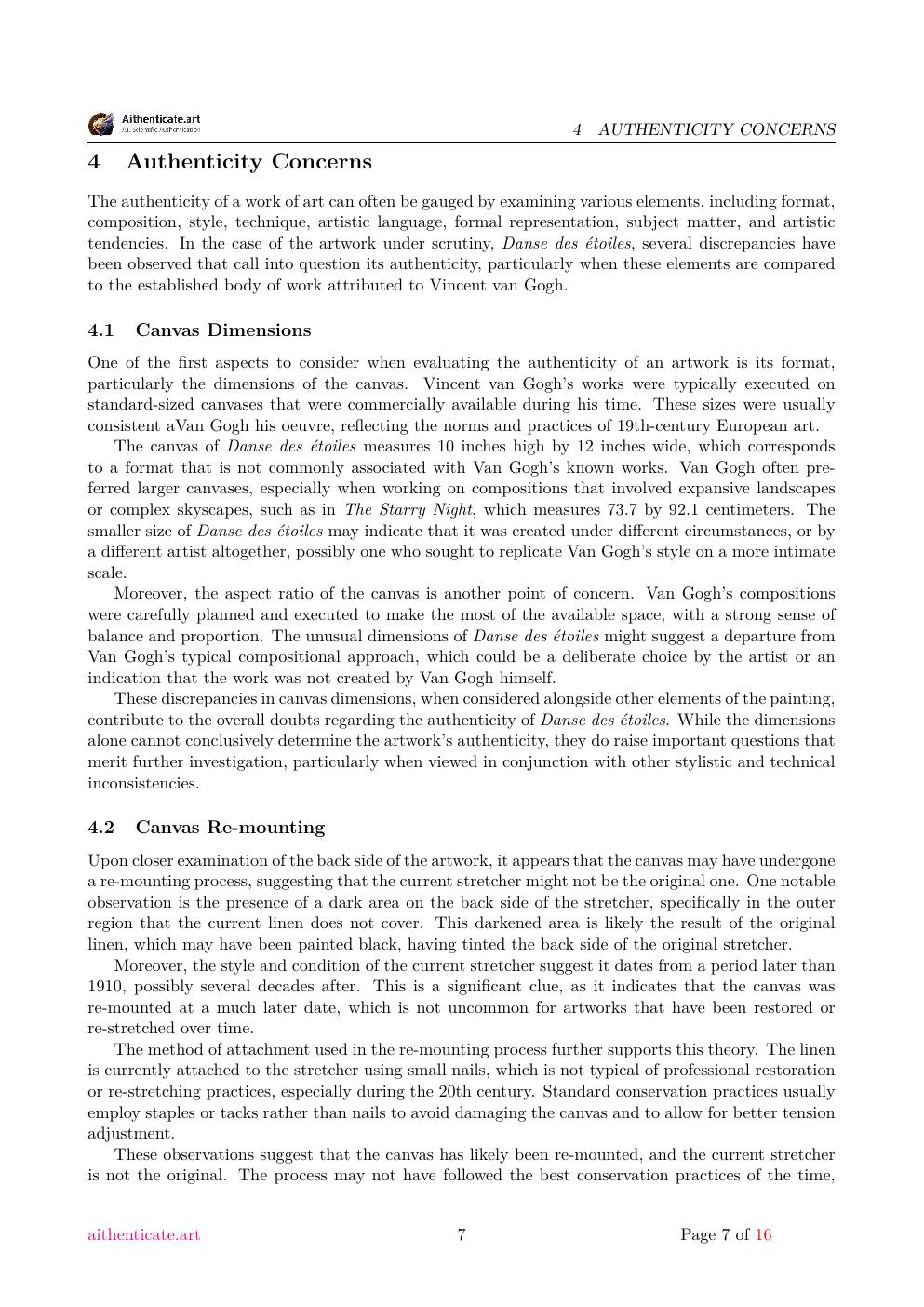
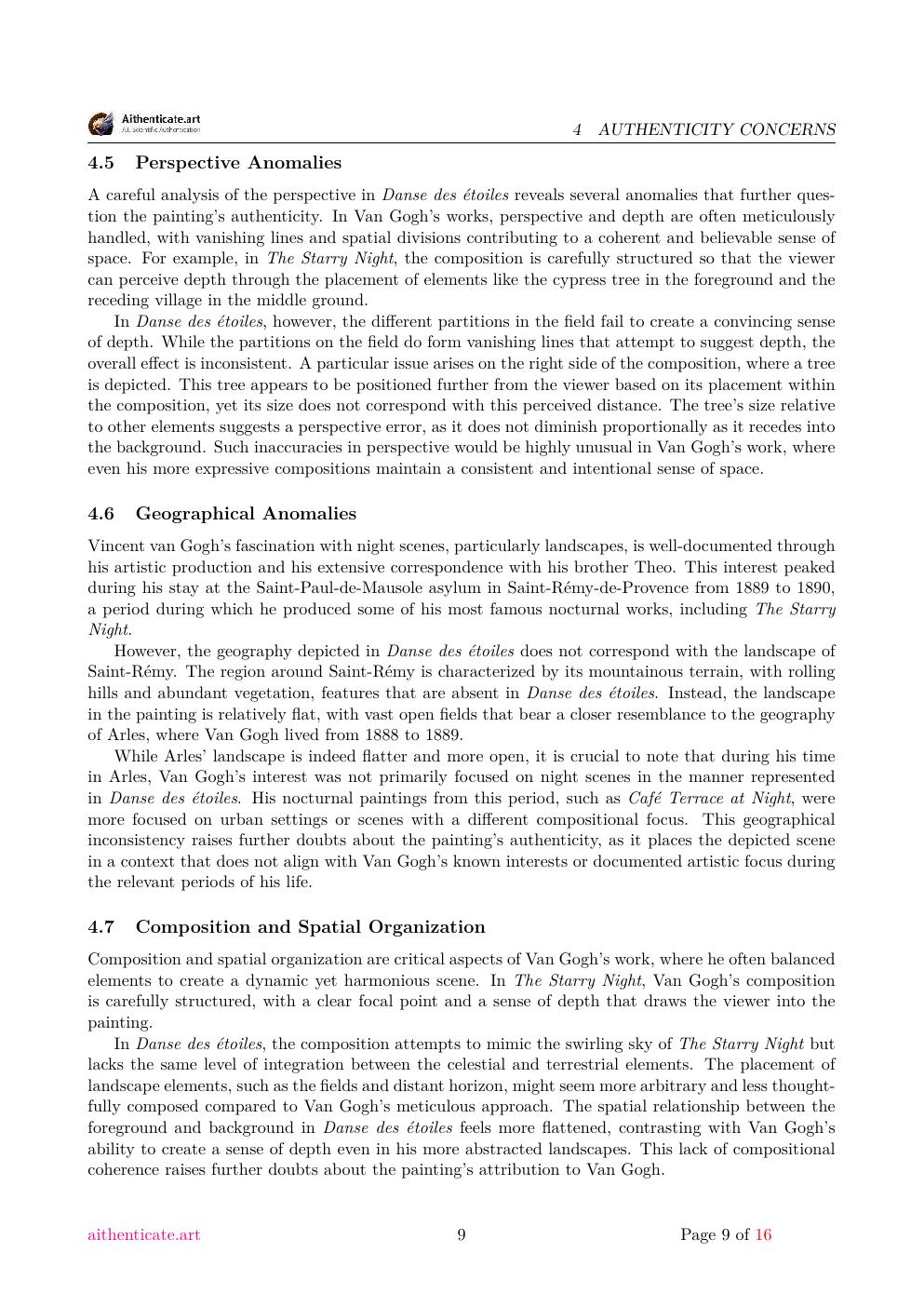
The Starry Night is a quintessential example of Vincent van Gogh's mastery in using the impasto technique, where thick layers of oil paint are applied to the canvas with bold, gestural brushstrokes. Painted in June 1889 during Van Gogh's stay at the Saint-Paul-de-Mausole asylum in Saint-Rémy-de-Provence, the painting measures 29.02 inches by 36.26 inches and is considered one of the most iconic works of the post-impressionist period. Dominating the composition is a night sky filled with swirling, turbulent patterns
05
Color Palette and Usage
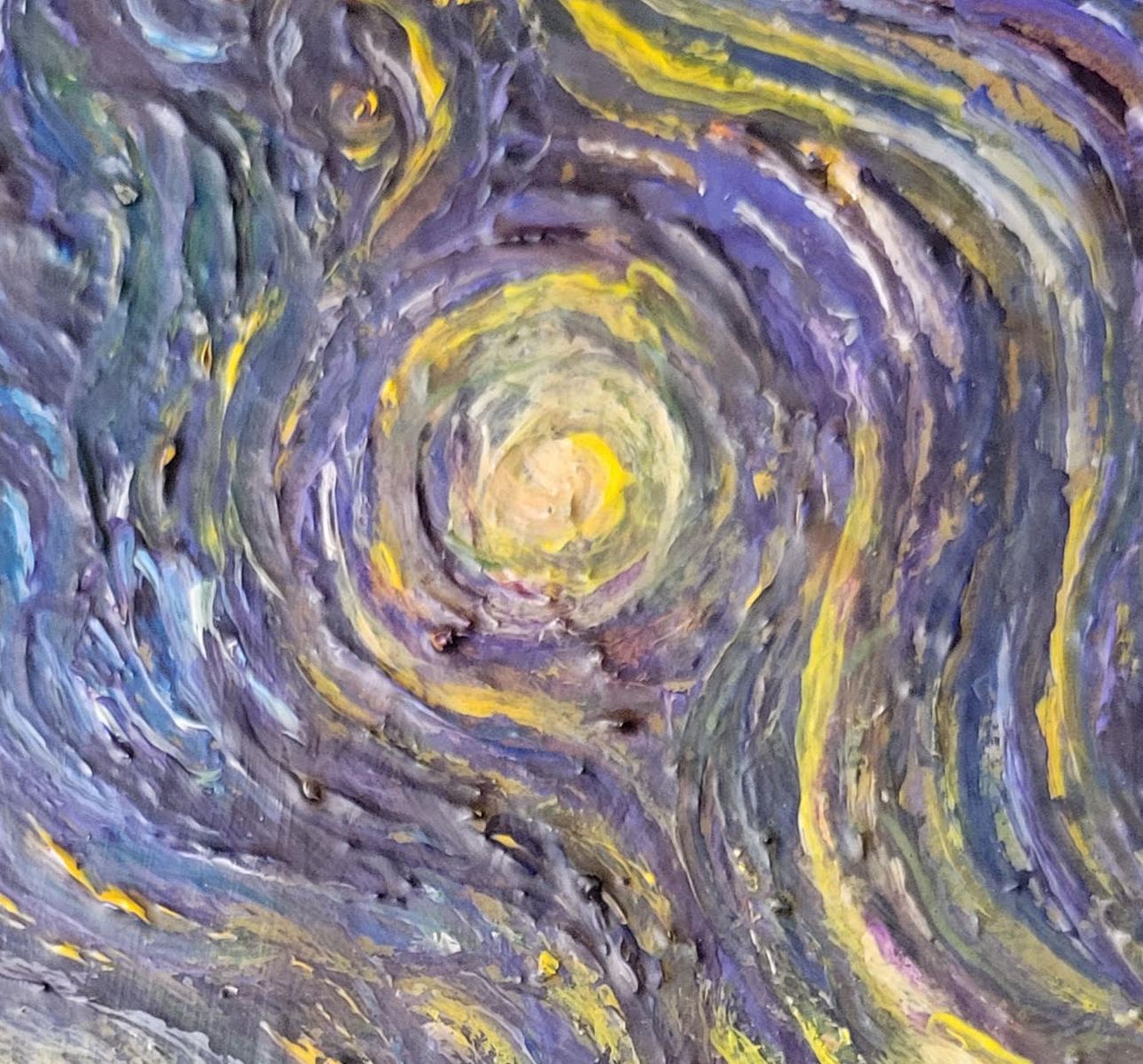
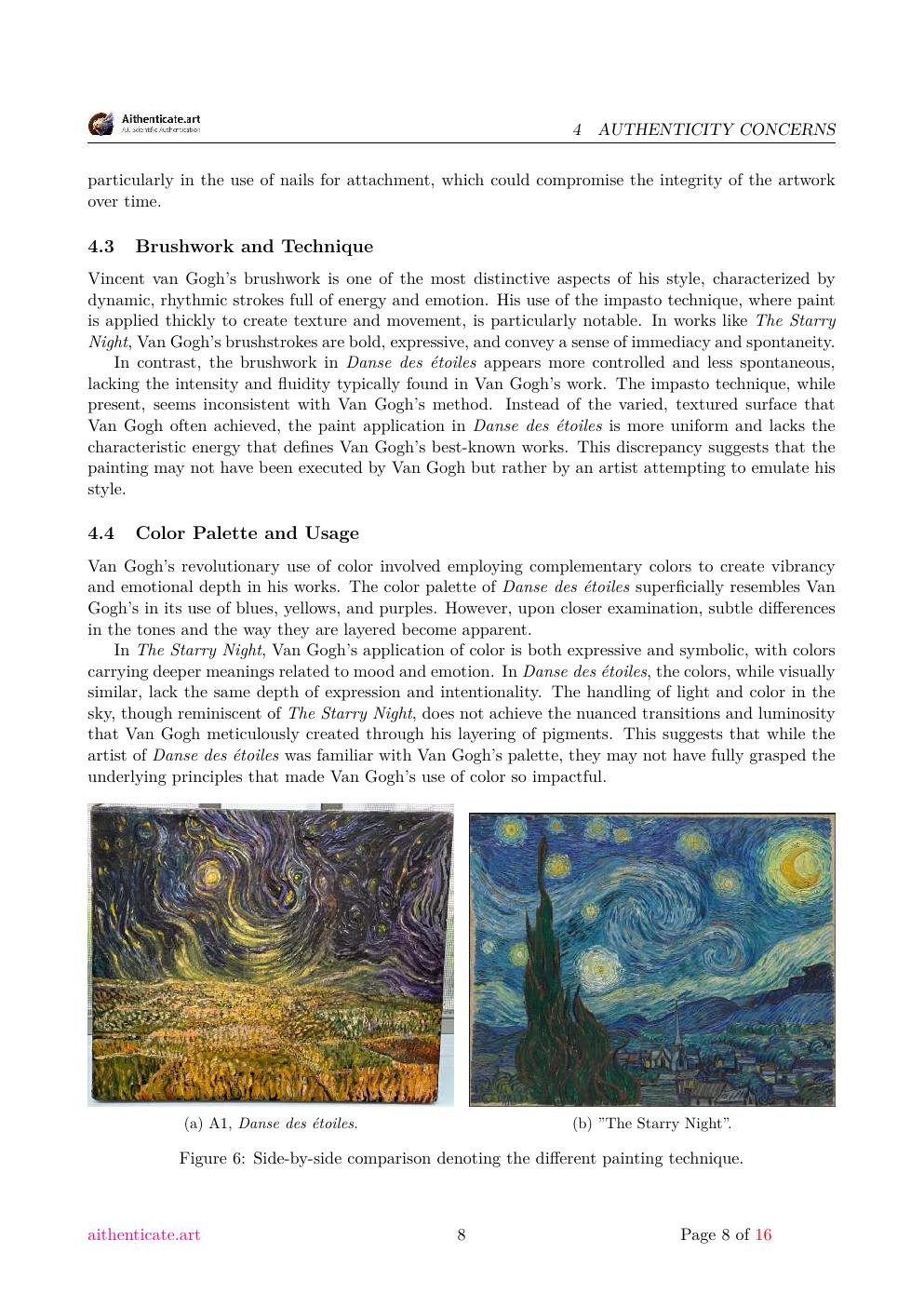
Van Gogh's revolutionary use of color involved employing complementary colors to create vibrancy and emotional depth in his works. The color palette of Danse des étoiles superficially resembles Van Gogh's in its use of blues, yellows, and purples. However, upon closer examination, subtle differences in the tones and the way they are layered become apparent.
06
Impasto Technique
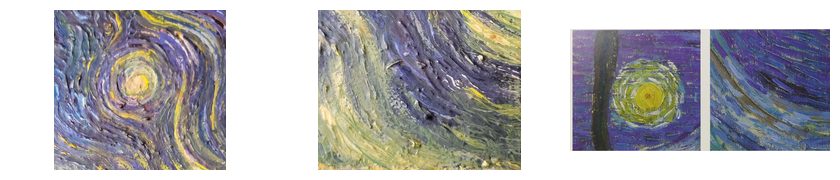
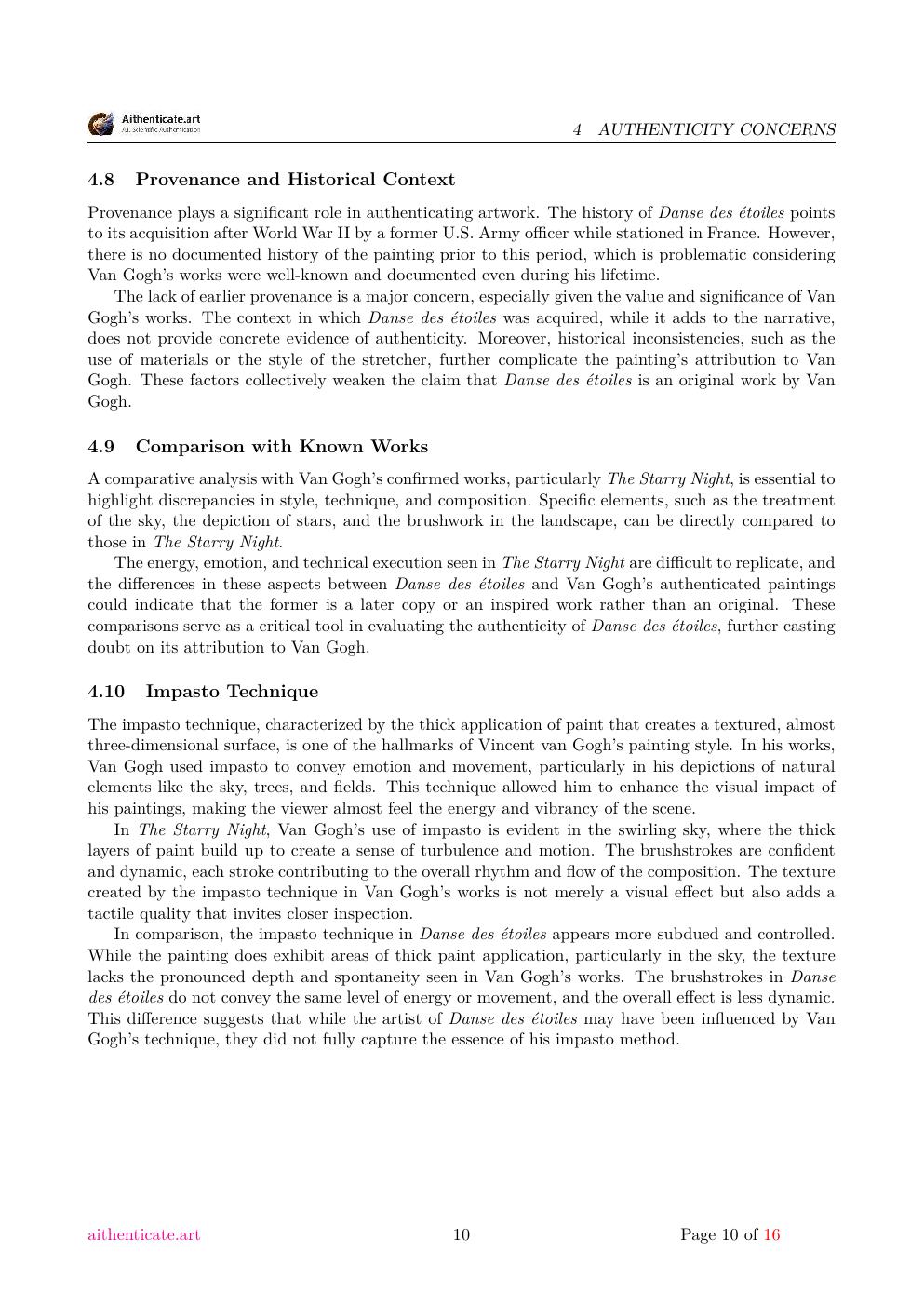
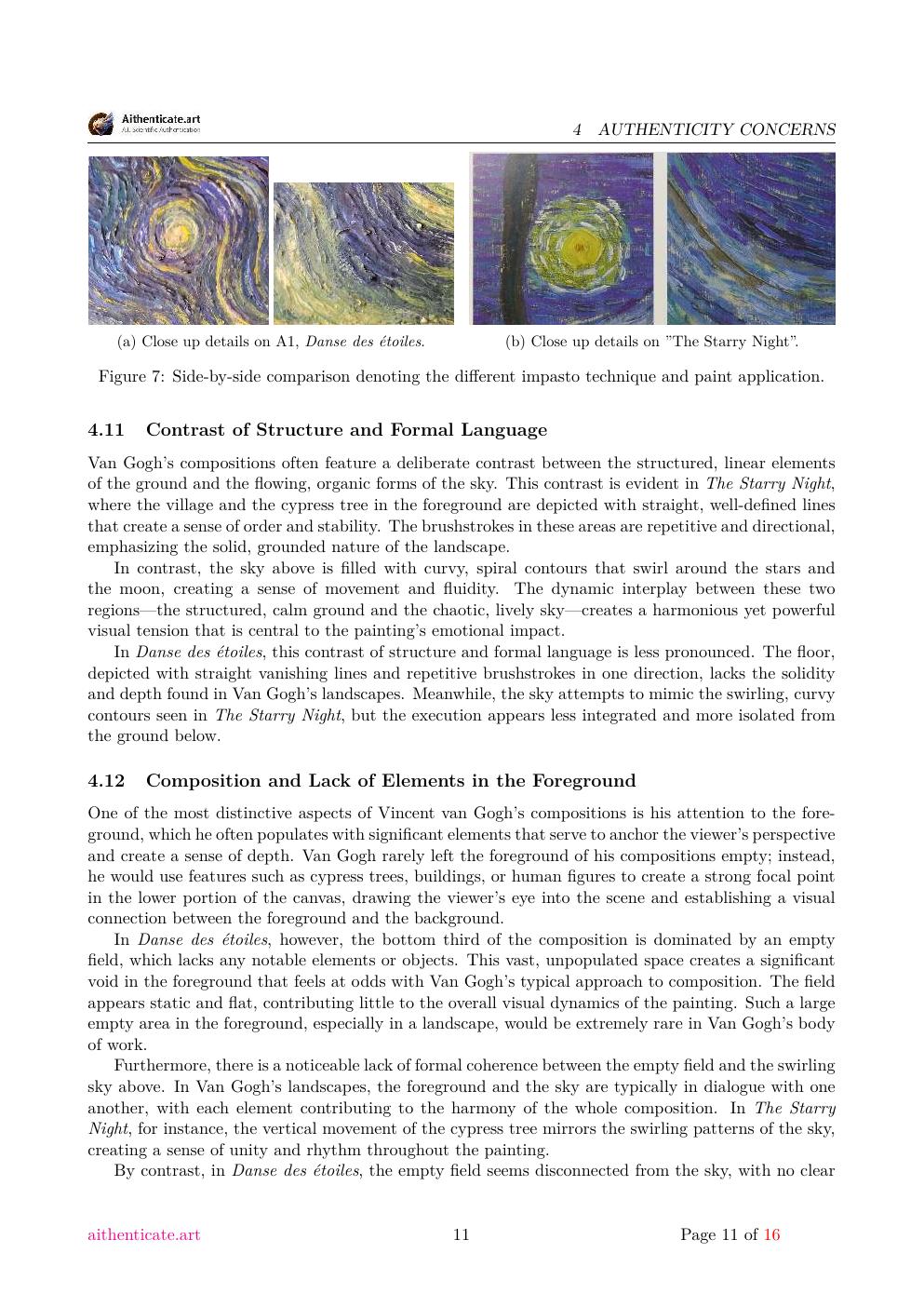
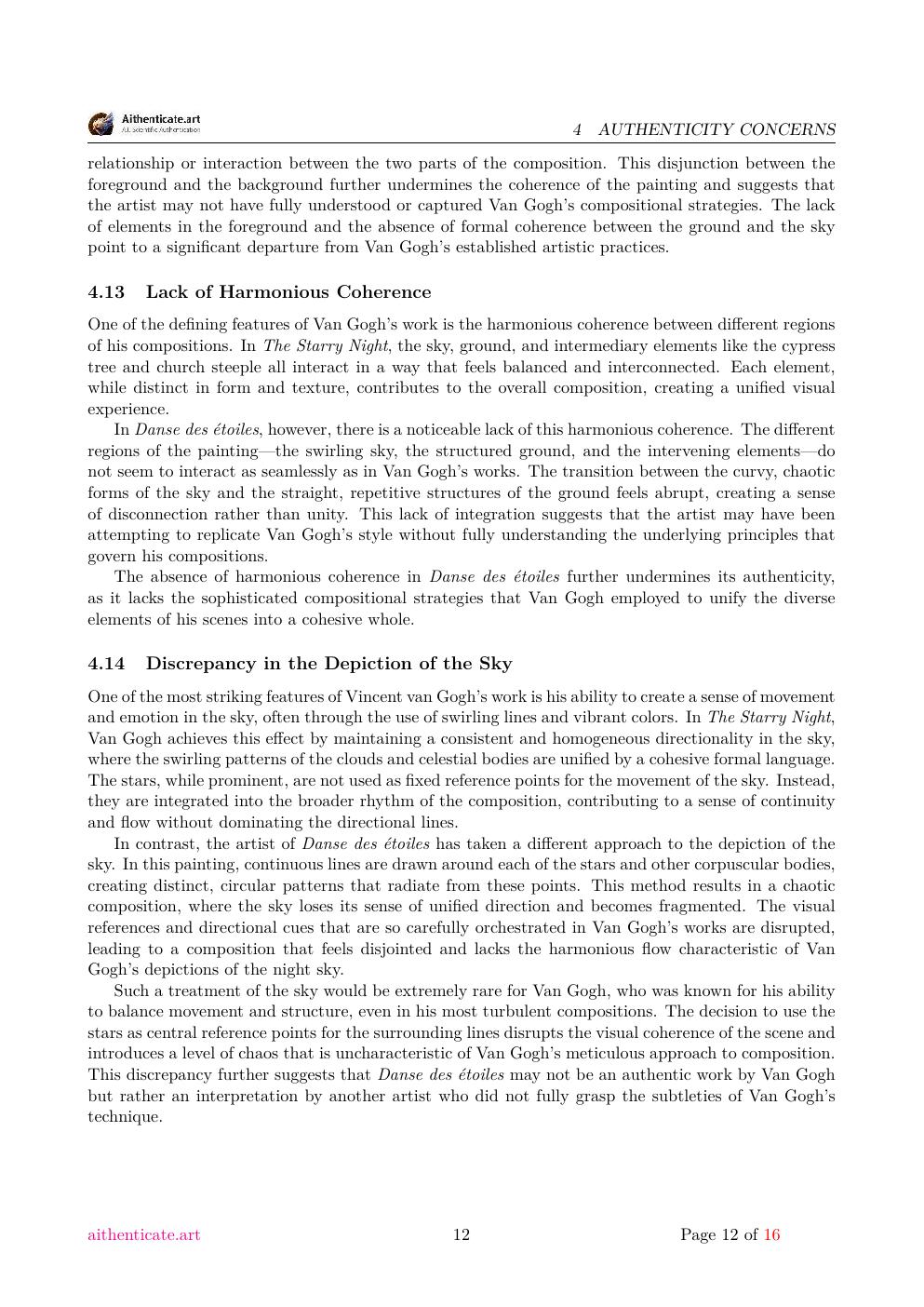
The impasto technique, characterized by the thick application of paint that creates a textured, almost three-dimensional surface, is one of the hallmarks of Vincent van Gogh's painting style. In his works, Van Gogh used impasto to convey emotion and movement, particularly in his depictions of natural elements like the sky, trees, and fields. This technique allowed him to enhance the visual impact of his paintings, making the viewer almost feel the energy and vibrancy of the scene.
07
Anomalies in Signature
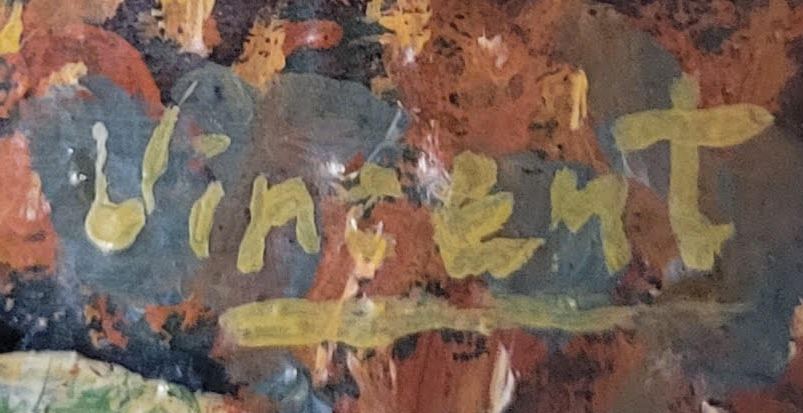
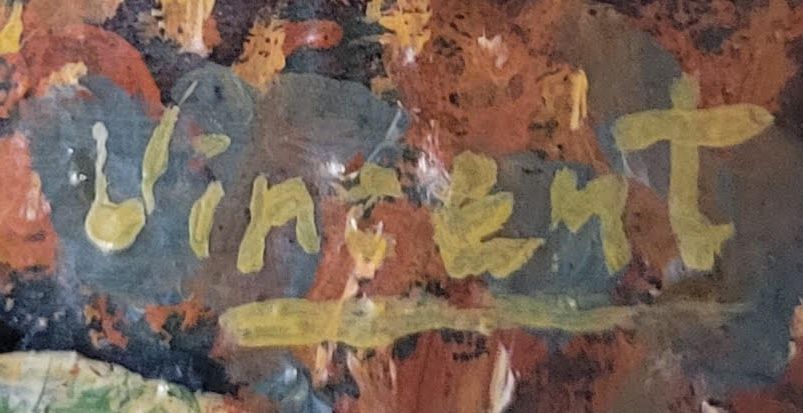
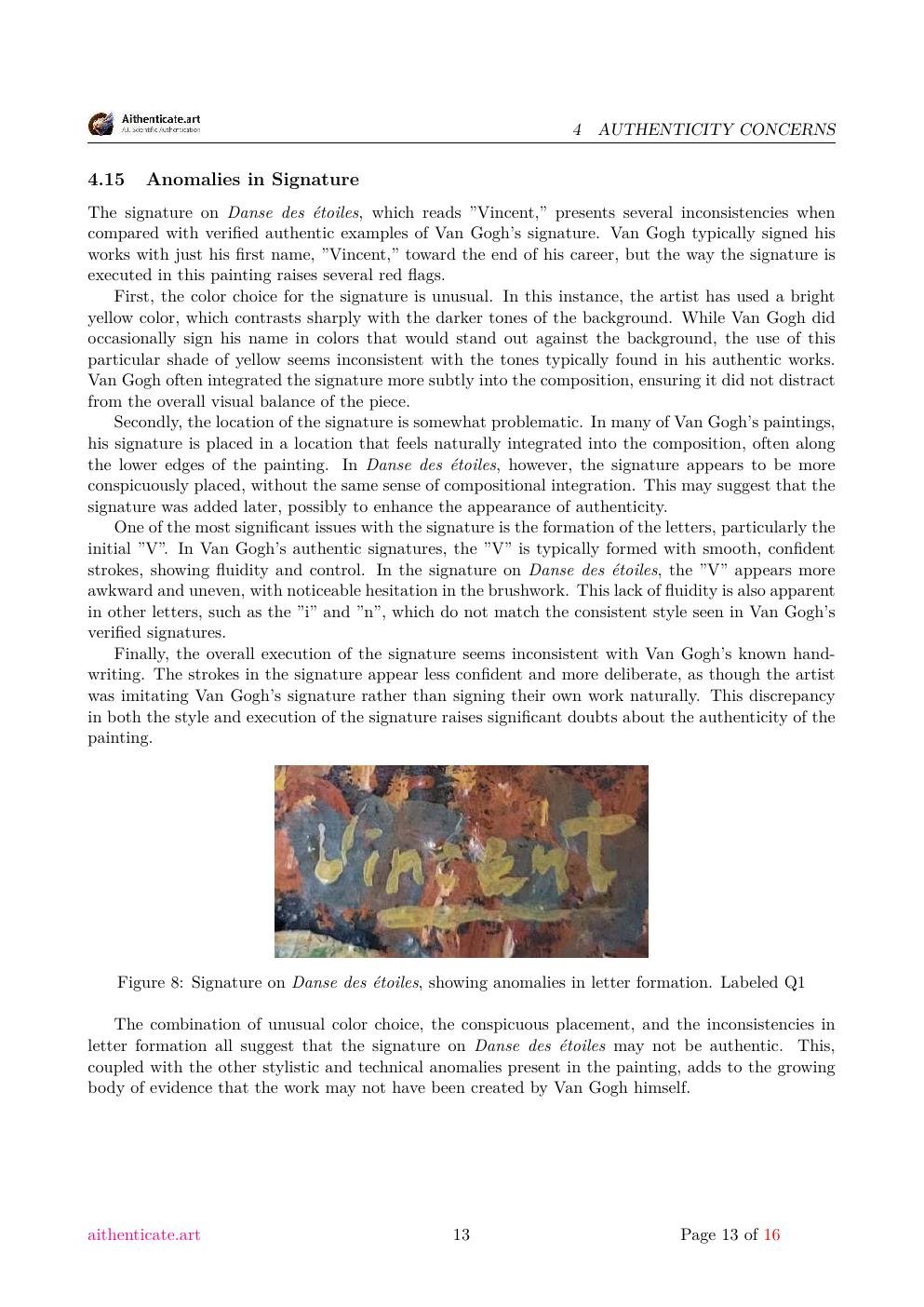
The signature on Danse des étoiles , which reads "Vincent," presents several inconsistencies when compared with verified authentic examples of Van Gogh's signature. Van Gogh typically signed his works with just his first name, "Vincent," toward the end of his career, but the way the signature is executed in this painting raises several red flags. First, the color choice for the signature is unusual.
Signature evidence
Signature analysis reference tables
Anomalies in SignatureThe signature on Danse des étoiles , which reads "Vincent," presents several inconsistencies when compared with verified authentic examples of Van Gogh's signature. Van Gogh typically signed his works with just his first name, "Vincent," toward the end of his career, but the way the signature is executed in this painting raises several red flags.
Authentication evidence
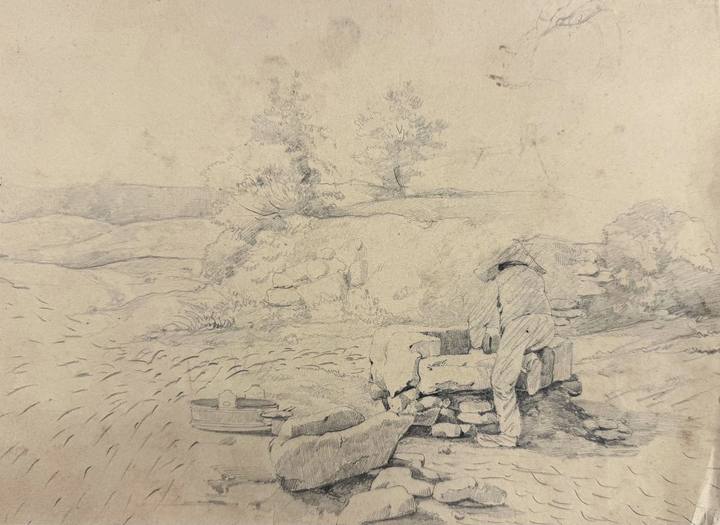
Selected close details from the human review
FrameThe painting Danse des étoiles is enclosed in a wooden frame that complements the artwork's colors and overall aesthetic. The frame features a combination of gold and dark tones, with a layered, beveled design that draws the viewer's eye inward toward the painting.Color Palette and UsageVan Gogh's revolutionary use of color involved employing complementary colors to create vibrancy and emotional depth in his works. The color palette of Danse des étoiles superficially resembles Van Gogh's in its use of blues, yellows, and purples.Impasto TechniqueThe impasto technique, characterized by the thick application of paint that creates a textured, almost three-dimensional surface, is one of the hallmarks of Vincent van Gogh's painting style. In his works, Van Gogh used impasto to convey emotion and movement, particularly in his depictions of natural elements like the sky, trees, and fields.
Private authentication
Submit your artwork for a ConfirmArt review
Use this real case as a reference for the kind of evidence that can be organized in a private authentication report.
The public browser receives rendered pages, not a native PDF viewer or direct PDF URL. Public pixels can still be screen-captured; private commissioned reports remain controlled client deliverables.
QR verification
Traceable real case
This real case has a stable verification URL and source fingerprints. The QR code resolves to the public verification record for this case.
Only your email and service selection are needed to submit the request. Optional images, dimensions and notes can be added now or later.
Payment is requested only for the Authentication report. Catalogue search, advisory, restoration and local inspection requests are reviewed first so the scope can be confirmed.
Authentication is a human expert review. ConfirmArt may use AI for bounded research support such as database, image, book or provenance searches, but not as a classifier verdict.
Complete front image
Reverse, support, frame and condition details
Signature, inscriptions, labels or seals
Invoices, certificates, provenance or catalogues
Comparative images, references or previous opinions, if available